

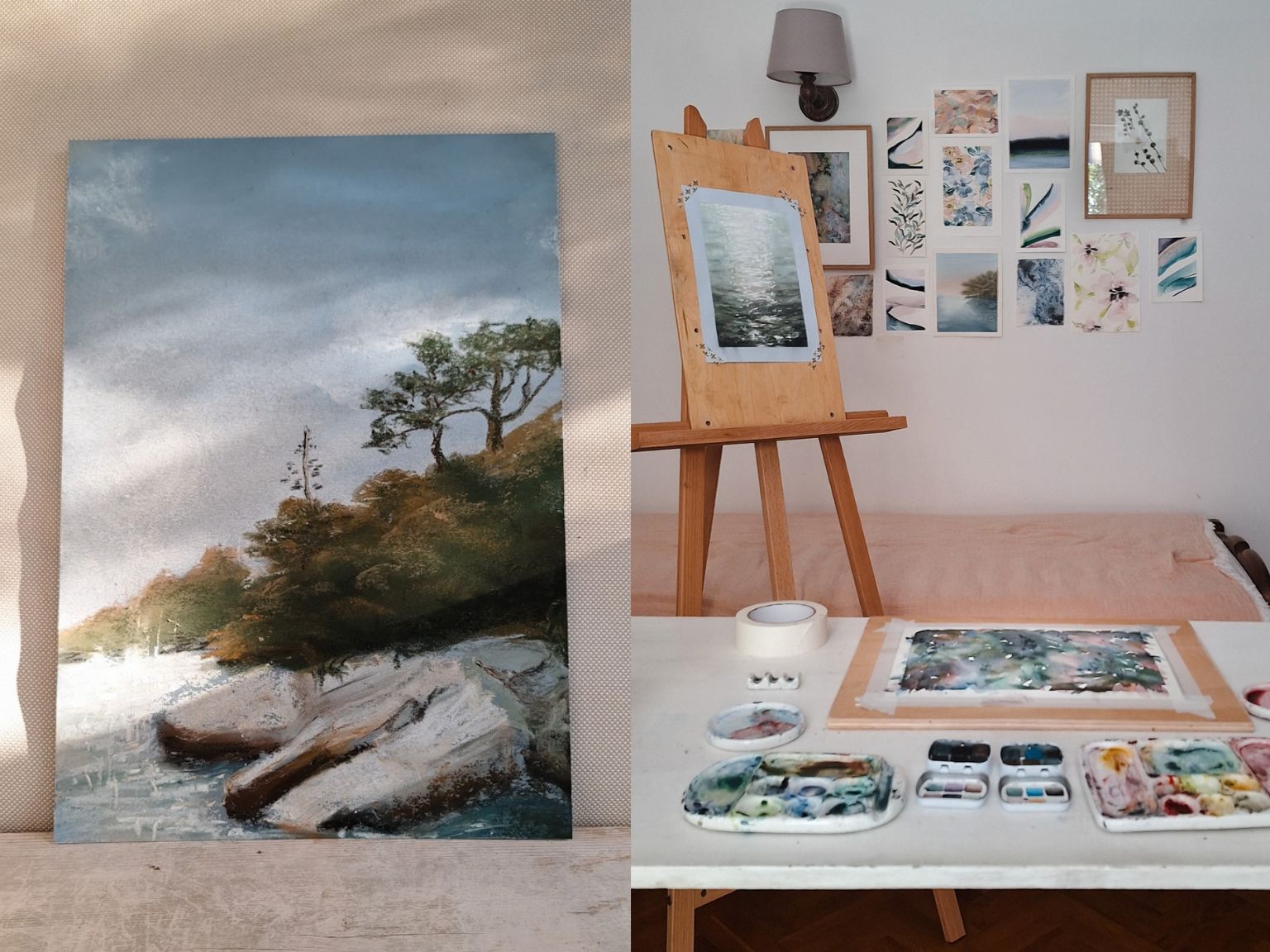
What happens when we decide to devote 100 days of creating to the experience rather than the result? How does our creativity respond when we steer it toward ease instead of excellence? Inspired by an initiative from an artist whose work I follow, I decided to explore these ideas through my own project ˝100 days of creative practice˝.
I didn’t want to prove I could last 100 days, or make 100 worthwhile pieces. Besides, it took me almost 200 days to collect those 100, but who’s counting. I wanted to give myself time, attention and space to create. I designed the project as a small way to offer myself support and love. It was from that intention that my creative practice, anchored in ease, began to grow.
Ease Doesn’t Devalue Effort
We often measure the value of something by how much effort we put into it. When something comes easily, we tend to assume it cannot be good enough, meaningful enough, or important enough. I often catch myself thinking this way about many things in life, and my creative work is no exception.
.
By centring my recent 100 days of creative practice around ease, I gave myself a chance to question that belief. To choose something simply because I feel drawn to it; a colour because it reflects my mood, or perhaps changes it; a theme because it sparks my curiosity or brings me comfort. Without feeling that I should be doing something more “meaningful”.
For me, ease doesn’t mean doing only what’s simple, but allowing myself to start from what comes naturally.
Creating Without Expectations Opens up Space for Exploration
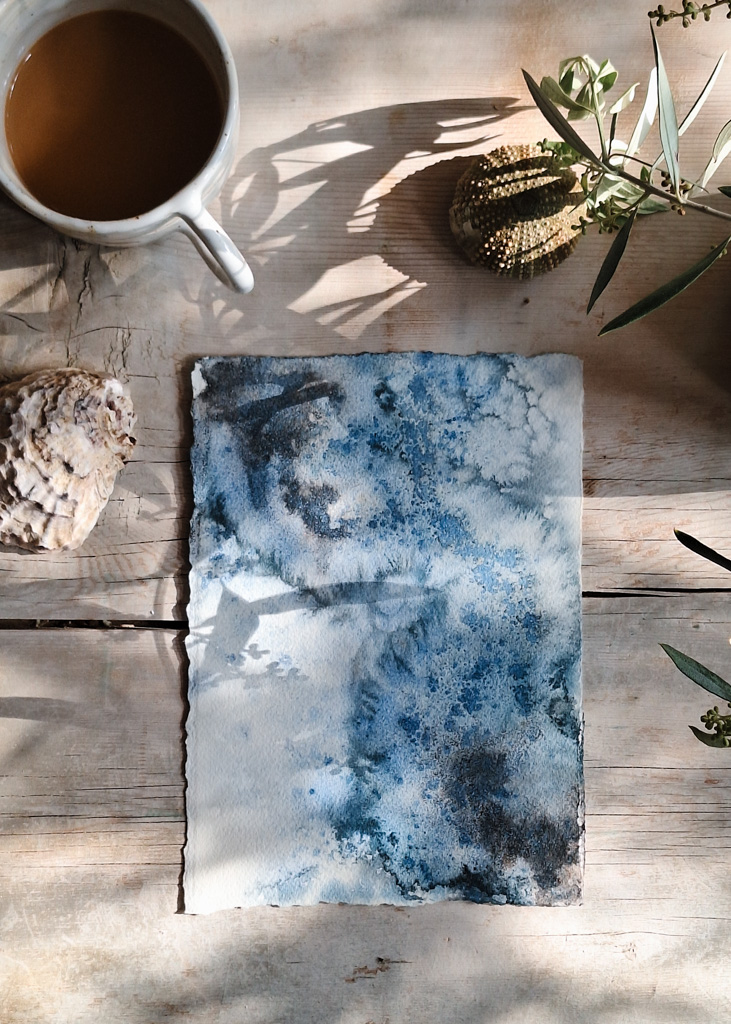
When I don’t have to make a good, meaningful piece, I can experiment. The 20 or so minutes a day I set aside for this practice aren’t exactly enough time to load myself with big expectations, so that helped set the intention. I can try a motif that’s new to me, use a colour I wouldn’t normally choose, or simply put brush to paper and begin making something with any idea of how it should look.
If it doesn’t work out, no big deal. It was only meant to be play, an experiment. That’s exactly where the space for exploration opens up. I don’t need to know what I’m doing right away or judge in advance whether the result will be worthwhile. From this perspective, the result itself becomes irrelevant.
Creative Practice as a Form of Care
Over these 100 days, creative work also became a way for me to notice what’s happening inside me.
Sometimes what came out reflected my mood, and sometimes it gave me some distance. Alongside the therapeutic approach I like to practice, there were days when I worked through an emotion or an idea, and days when I let myself explore or embody something I usually hold back: I would make room for the full range of experience within the safety of imagination. Sometimes I only realised afterwards why I’d been drawn to a particular medium, motif, colour or way of working, and sometimes not even then. I let meaning be optional.
That’s why I began to see creative work as a kind of visual diary. It doesn’t always have to explain something, but it can give me a chance to be present. It can show me where I am, what interests or troubles me, what I keep coming back to and what I avoid, what I need and what I’m ready to offer myself.
In that sense, creating becomes a way of communicating with myself. Sometimes it’s enough for it to just be information.
Why Do We Need “Bad Art” Too?
A creative practice can’t be made up only of work we’re happy with. If we only allow ourselves to create what we like, we very quickly start controlling the process and choosing only what we know will work.
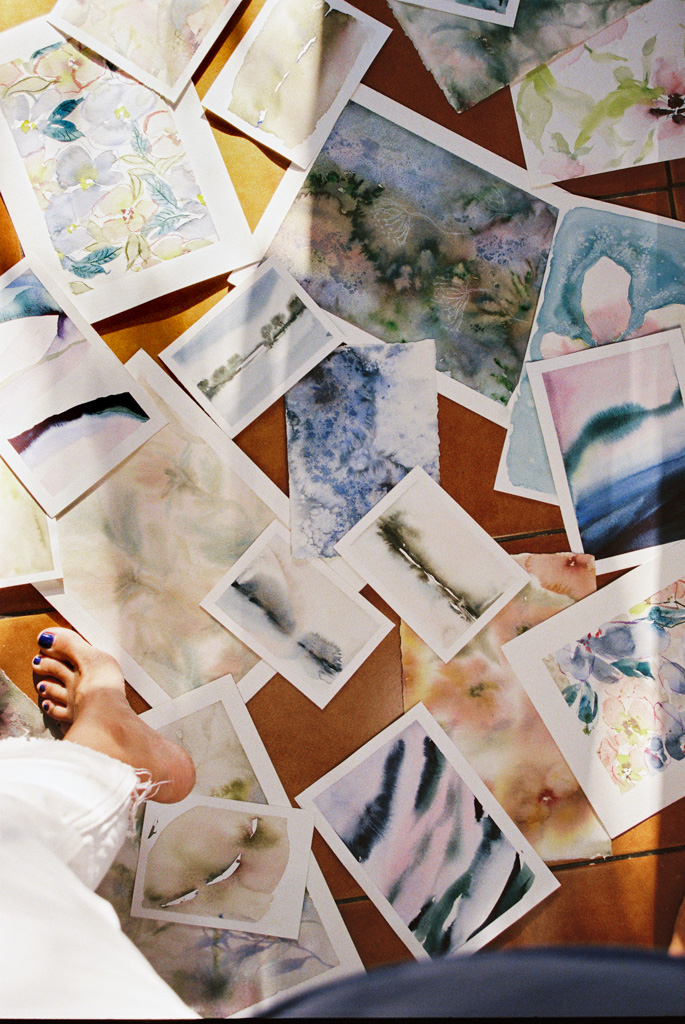
That’s why “bad” work is a necessity, rather than a failure. It shows us what happens when something doesn’t work out and how we react to our own dissatisfaction. It helps us notice where we get overly critical or try to control everything. And it opens up some new pathways as well. Something might seem messy and meaningless, but can still hold something curious, worth further exploration. Something that might lead us where we long to go. The creative process gets stuck if we only let out what we’ve already judged to be good enough, or if we only switch on our creativity when we need a measurable result.
That’s why I now see regular practice as a way of keeping the creative pipes clear, of flushing out the system and keeping things flowing. Everything has to move freely and come out when its turn comes, not only when we feel like it. Creative channels need to stay clear so that what we consider precious can find its way into expression.
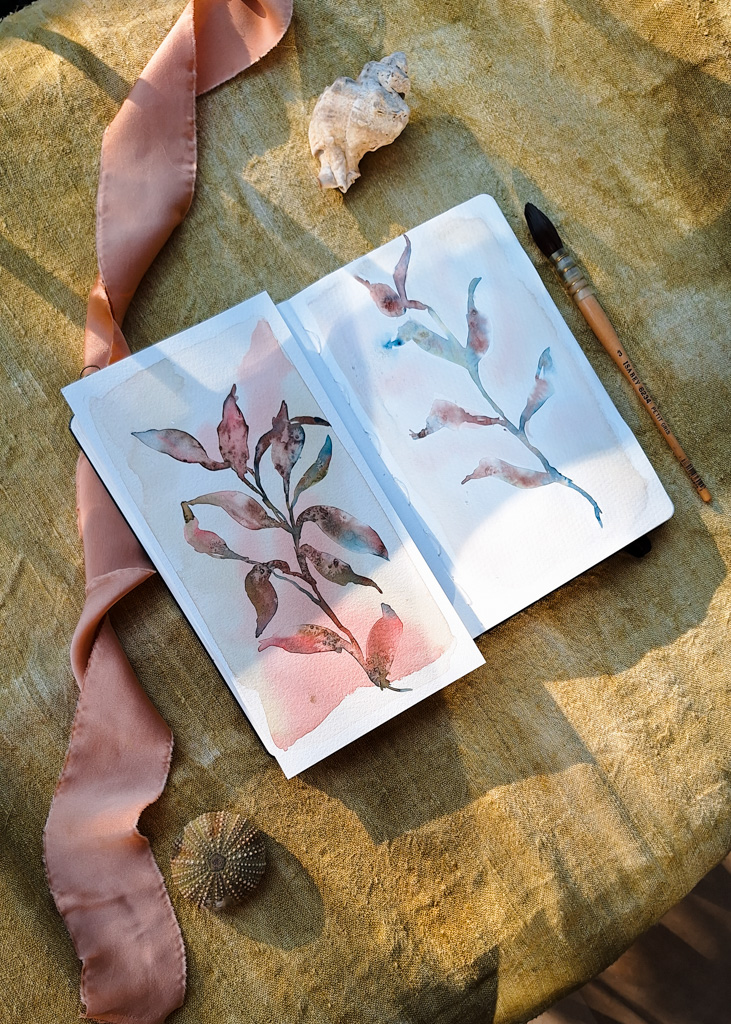
Creativity as Mental and Creative Hygiene
Creating doesn’t always need an outside goal. It doesn’t have to produce something we’ll show, give away, sell or keep. It doesn’t have to work as a therapeutic tool that informs, heals or empowers us, and it doesn’t have to develop our artistic practice. It can simply be a way to affirm that part of ourselves and honour the gift of creativity we were given at birth.
If creativity matters to us, why would we only switch it on when we expect a worthwhile result? I’m becoming increasingly drawn to the idea of creative practice as a kind of spiritual hygiene: a regular space where we can explore, express ourselves, be curious and clumsy, and simply enjoy what we’ve been given.
And What About Skill?
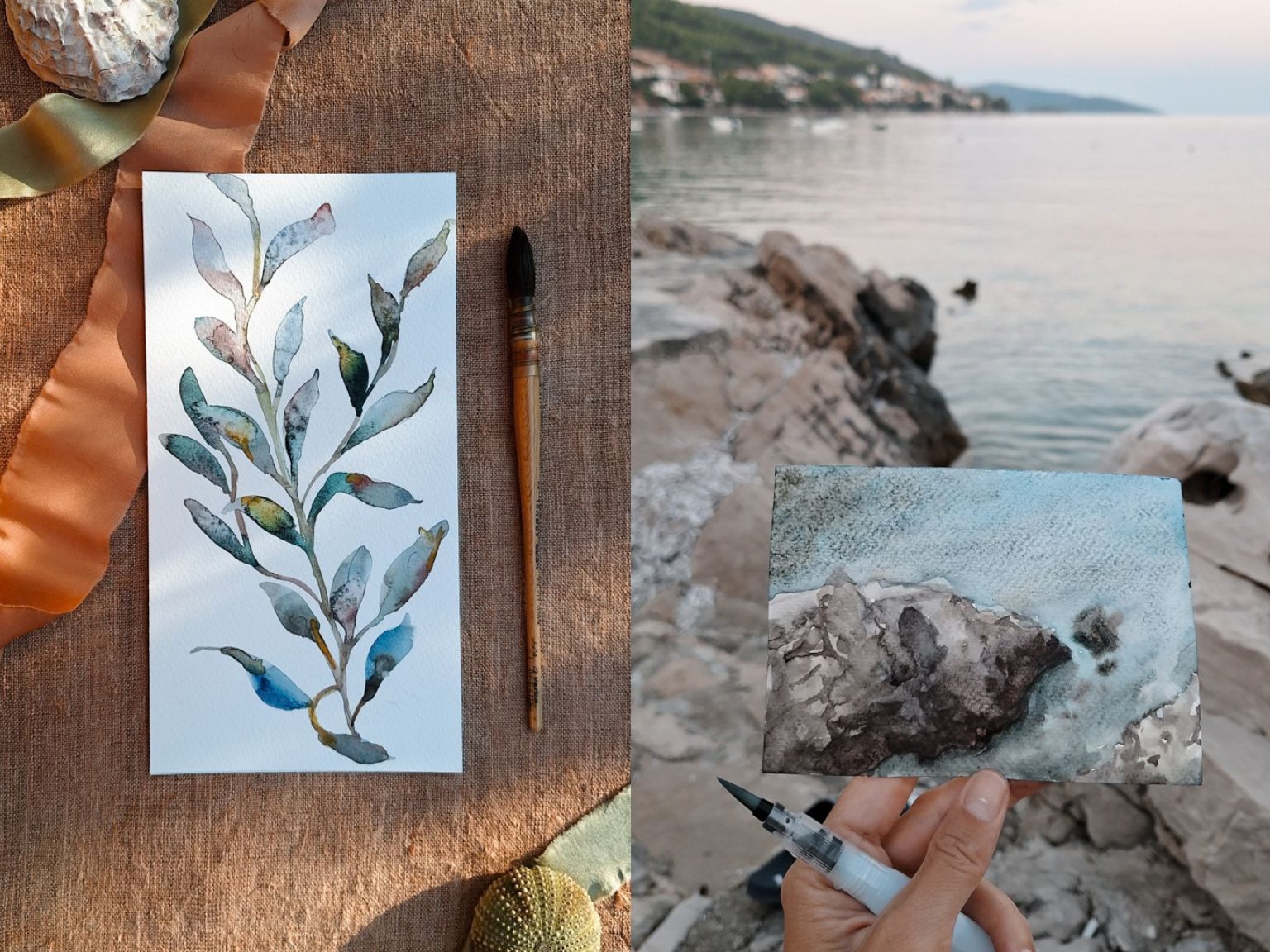
To wrap up, I have to mention one interesting thing: even when skill isn’t the goal, it still develops. If you regularly reach for watercolours, pastels, clay or some other medium, you start getting to know it. You learn how it behaves, what its nature is and how to work with it. You build a relationship with the material.
So something a little paradoxical happens: you can explore motifs and approaches that call for honesty rather than technical excellence, and your skill still grows in the background.
I noticed this whenever I tried, every so often, to paint something specific or figurative. Even though mastering technique wasn’t the main goal of this practice, the progress was visible. My hand had learned something just from the time spent working.
Maybe that’s one of the sweetest side effects of this journey: you don’t have to keep working on your skill to keep getting more skilled.
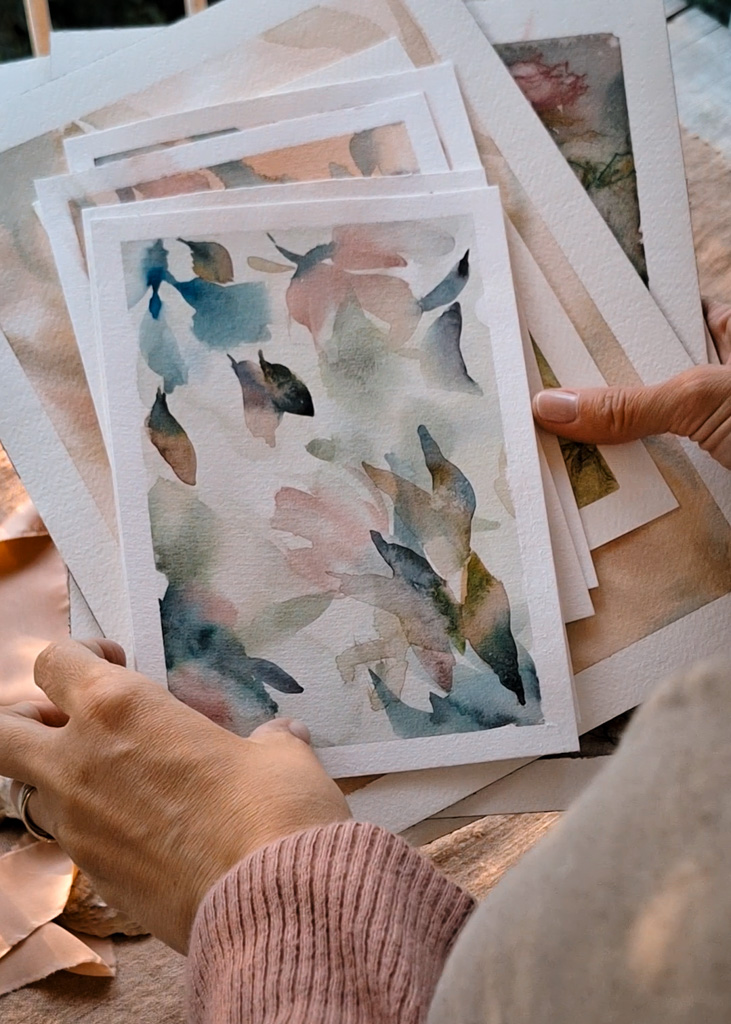
What Changed After 100 Days?
For me, the most important result of these 100 days of creative practice isn’t 100 pieces, but a different relationship with creating.
Ease no longer means avoiding what’s hard. It means less forcing, less need to know in advance where something is heading, and less judging.
This experience shifted my relationship with creativity, but the change didn’t stay there. Once you start noticing how much energy you spend controlling results, pushing through resistance and proving your worth to yourself, it’s hard not to notice it everywhere else too.
That’s why, for me, these 100 days weren’t just a creative project. They were practice in approaching everyday life differently: fewer demands, more curiosity; less control, more space; fewer “is this good enough?” questions and more “what happens if I try?”
Leave a Comment
Your email address will not be published. Required fields marked *